
Your cart is currently empty!
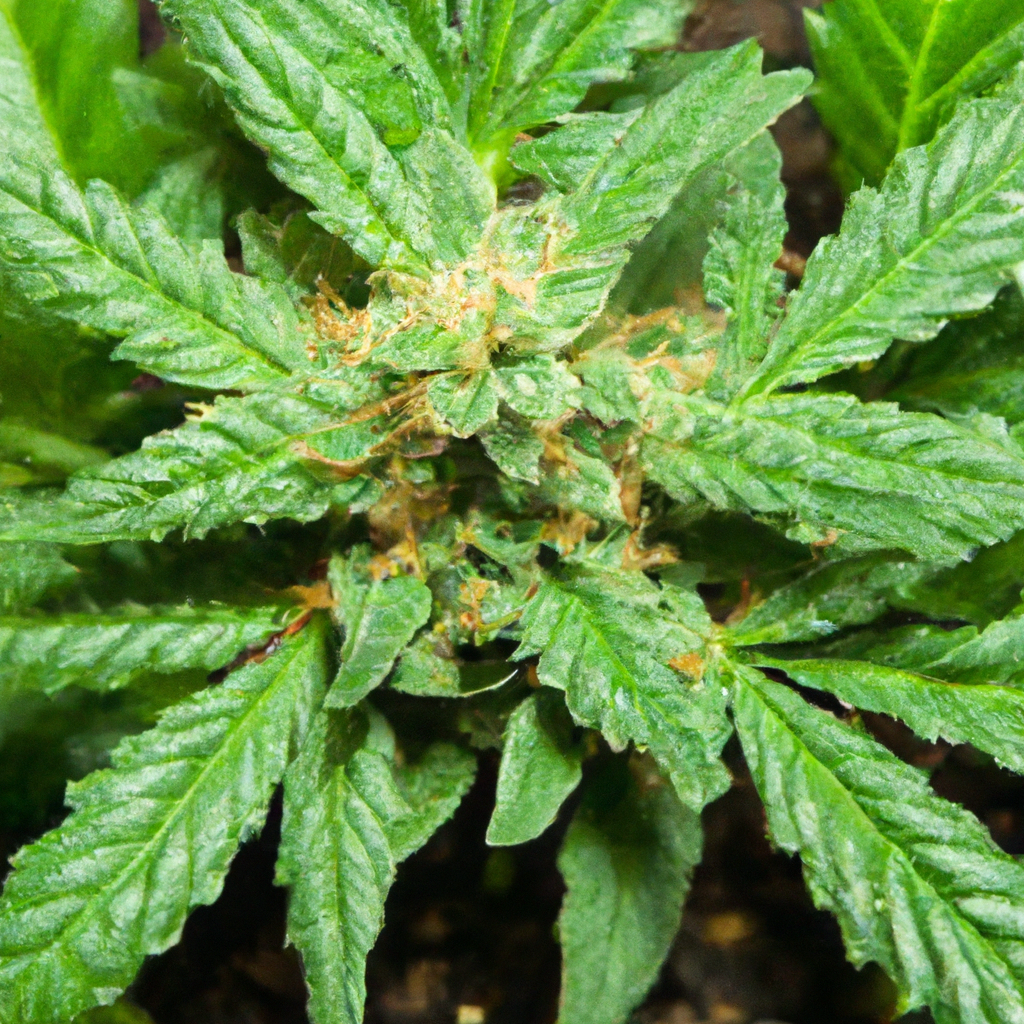
As the cannabis industry continues to expand, understanding the intricate dynamics between cannabis and soil microbiomes becomes increasingly crucial. These microscopic ecosystems hold the key to healthier, more sustainable cannabis cultivation practices. In this article, we dive into the fascinating world of soil microbiomes and their significant impact on cannabis growth.
The Role of Soil Microbiomes in Cannabis Cultivation
Soil microbiomes consist of a diverse community of microorganisms, including bacteria, fungi, and archaea, that interact with plant roots. These microbes play a vital role in nutrient cycling, disease prevention, and stress resilience in cannabis plants. Let’s explore how these tiny organisms contribute to a successful cultivation process:
- Nutrient Cycling: Microbes break down organic matter, releasing essential nutrients such as nitrogen, phosphorus, and potassium, which are crucial for plant growth.
- Disease Suppression: Beneficial microbes outcompete harmful pathogens, reducing the incidence of diseases in cannabis plants.
- Stress Tolerance: Soil microbiomes enhance plants’ ability to withstand environmental stresses, including drought, salinity, and extreme temperatures.
Enhancing Soil Health for Optimal Cannabis Growth
To leverage the benefits of soil microbiomes, cannabis cultivators can focus on maintaining and enhancing soil health. Here’s how:
- Organic Matter Addition: Incorporate compost and organic fertilizers to feed the microorganisms, promoting a thriving soil ecosystem.
- Minimize Tillage: Reduce soil disturbance to preserve microbial habitats and improve soil structure.
- Crop Rotation: Practice crop rotation to break pest and disease cycles and diversify soil microorganisms.
- Cover Cropping: Use cover crops to enhance soil fertility and protect against erosion, providing a sustainable method to improve soil microbiomes.
Real-World Impact: Case Studies on Cannabis and Soil Microbiomes
Many cultivation facilities have reported significant improvements in plant health and yield by focusing on microbial diversity. For instance, a cannabis farm in Northern California improved yield by 30% after implementing a comprehensive soil microbiome management strategy. By understanding and harnessing the power of microbes, these facilities demonstrate the potential for enhanced cultivation practices.
Embracing Microbial Diversity for Future Success
The integration of healthy soil microbiomes in cannabis cultivation is not just about improving yield but is also a step towards sustainable and regenerative agriculture. By fostering microbial diversity, cultivators can pave the way for an eco-friendly and resilient practice that benefits not only the plants but also the environment.
Conclusion
Understanding and embracing the role of soil microbiomes can revolutionize cannabis cultivation. By focusing on soil health and microbial diversity, growers can achieve healthier plants, increased yields, and sustainable practices. As this field continues to develop, the potential benefits for both cultivators and consumers are vast.
By tapping into the secrets of soil microbiomes, the cannabis industry can continue to thrive, leading the charge in sustainable agriculture.
Tags: SoilHealth, Cultivation, CannabisCultivation, SustainableAgriculture, EducationalResources
Discover more from Magic Clones
Subscribe to get the latest posts sent to your email.
Leave a Reply