
Your cart is currently empty!
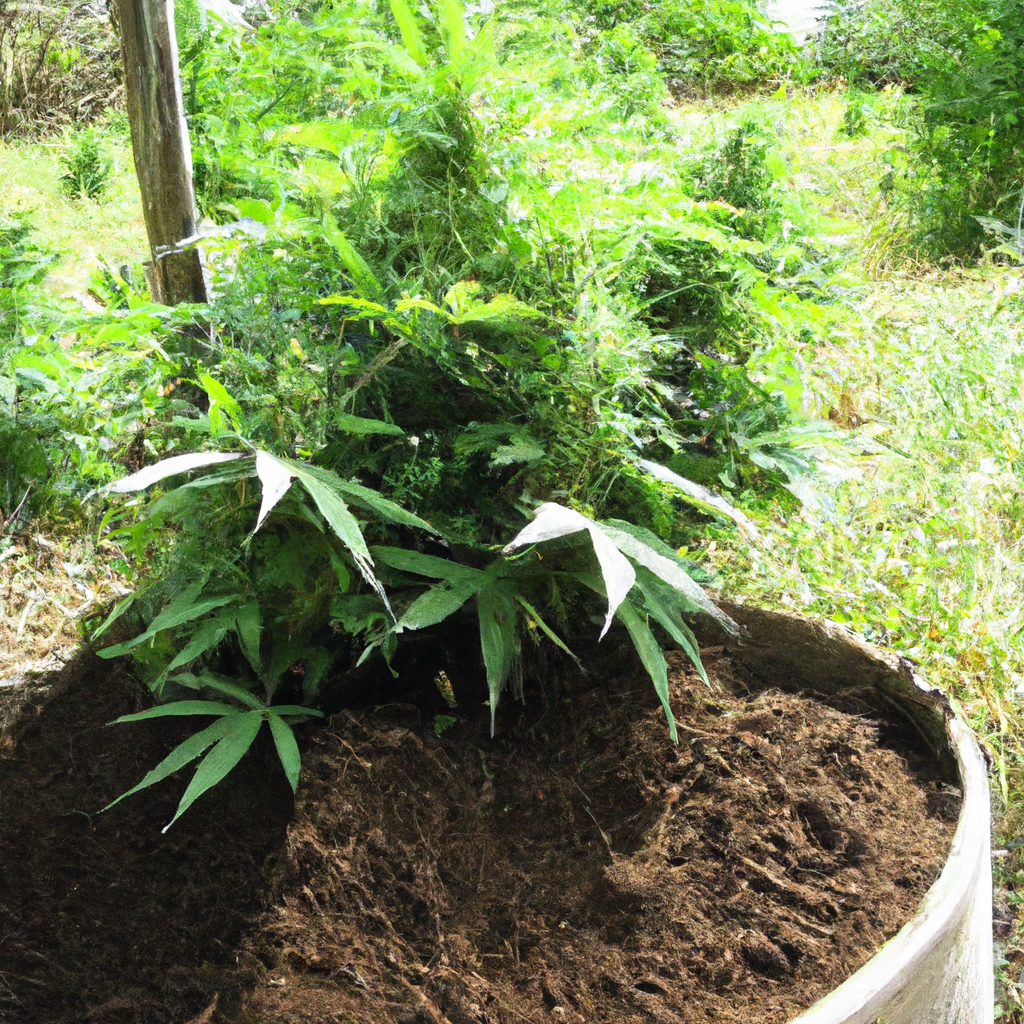
Cannabis cultivation is evolving, with more growers gravitating towards organic methods. This approach prioritizes sustainability, using natural resources to nurture plants, and maintains the health of both the soil and ecosystem.
Introduction to Organic Cannabis Cultivation
Organic cannabis cultivation relies on natural fertilizers, compost, and pest control solutions to grow healthy plants, free from synthetic chemicals. By fostering a rich soil ecosystem, growers can not only enhance plant health but also benefit the environment.
Natural Fertilizers and Compost
- Compost Enrichment: Start by building a robust compost pile. Combine organic matter such as vegetable scraps, leaves, and grass clippings. This produces nutrient-rich humus that breaks down slowly, feeding your cannabis plants over time.
- Animal Manure: Well-composted animal manure, particularly from herbivores like cows and horses, boosts nutrient levels in the soil.
- Green Manure: Incorporate green manures like clover or peas as cover crops. They fix nitrogen into the soil, reducing the need for synthetic fertilizers.
Pest Control: Nature’s Way
- Companion Planting: Introduce plants like basil, marigold, or garlic near your cannabis to naturally deter pests and attract beneficial insects.
- Biological Control: Use beneficial insects such as ladybugs or predatory mites to control aphid populations and other harmful pests.
- Neem Oil: This natural pesticide disrupts the life cycle of pests, such as mites, keeping your plants healthy without harming the environment.
Building a Sustainable Soil Ecosystem
Healthy soil is the foundation of organic farming. To maintain soil health:
- Rotational Planting: Rotate your cannabis crops with other plants to prevent soil nutrient depletion.
- Mulching: Apply a layer of organic mulch to retain moisture, regulate soil temperature, and suppress weeds.
- Soil Microbes: Introduce beneficial microbes to promote nutrient cycling and disease suppression within the soil ecosystem.
Benefits for the Environment and Consumers
Organic cannabis not only delivers a pure, chemical-free product for consumers but also contributes to environmental sustainability. It reduces chemical runoff into waterways and fosters biodiversity on farms.
Conclusion
Organic cannabis cultivation blends traditional farming wisdom with modern ecological practices, offering a pathway to sustainability. By focusing on natural fertilizers, pest management, and healthy soil ecosystems, growers can produce superior plants while conserving the environment.
Embrace organic methods for a greener thumb and a healthier planet.
Tags: Organic Growing, Natural Fertilizers, Companion Planting, Sustainable Practices, Cannabis Cultivation
Discover more from Magic Clones
Subscribe to get the latest posts sent to your email.
Leave a Reply