
Your cart is currently empty!
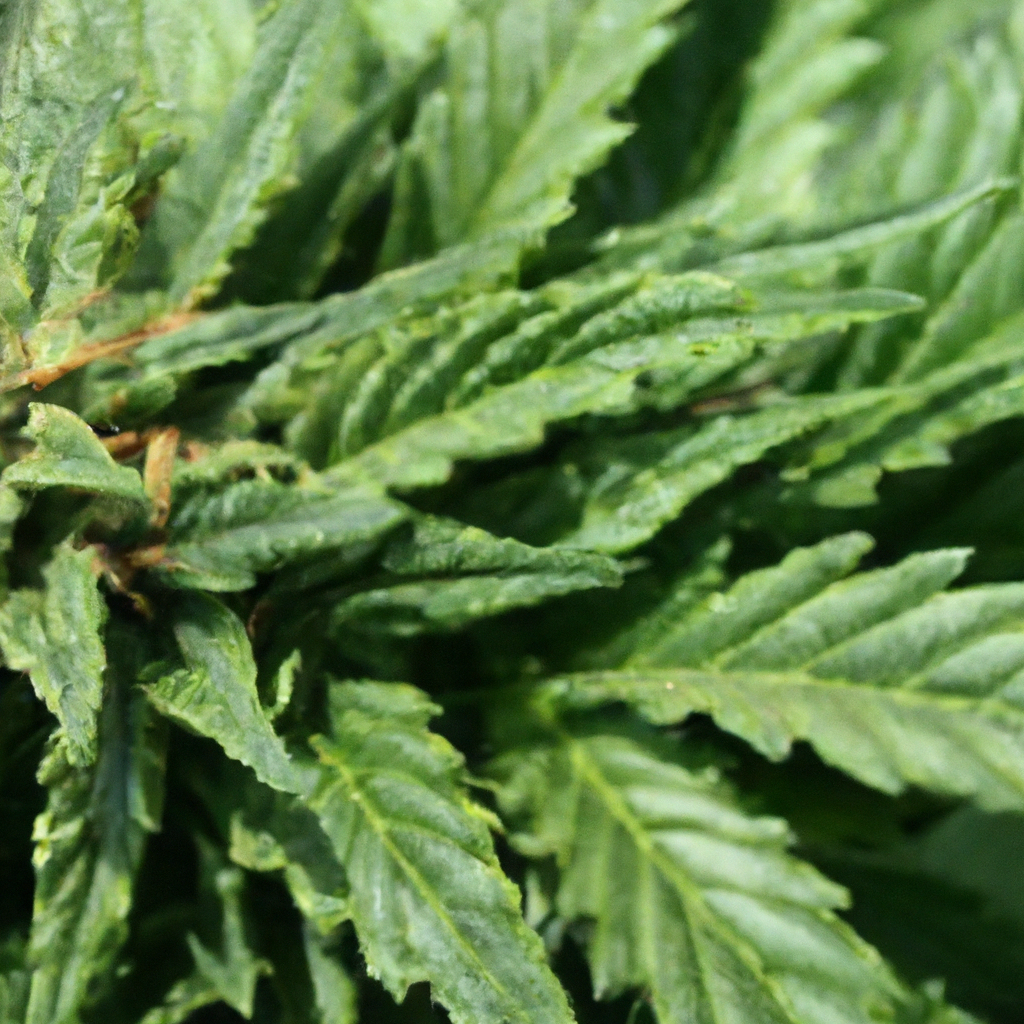
Growing cannabis organically is becoming increasingly popular among cultivators who seek to improve their environmental impact and offer a healthier product to consumers. By focusing on natural fertilizers, compost, and biological pest control, organic cannabis cultivation not only supports a thriving ecosystem but also enhances the quality and potency of the final product. Let’s delve into some best practices for organic cannabis cultivation.
Nurturing the Soil Ecosystem
The foundation of any organic cannabis grow operation is the soil. By promoting a healthy soil ecosystem, you can encourage robust plant growth without the need for synthetic chemicals.
- Use Natural Fertilizers: Incorporate natural materials such as bone meal, bat guano, and seaweed extracts to enrich the soil with essential nutrients.
- Composting: Set up a composting system to recycle plant waste and enrich the soil with organic matter. This not only reduces waste but also improves soil structure and fertility.
- Mulching: Apply a layer of organic mulch around cannabis plants to retain moisture, regulate soil temperature, and suppress weed growth.
Biological Pest Control
Protecting your cannabis plants from pests doesn’t have to involve harsh chemicals. Implementing biological pest control methods is effective and environmentally friendly.
- Beneficial Insects: Introduce insects like ladybugs and predatory mites to manage common pests such as aphids and spider mites.
- Companion Planting: Grow plants that naturally repel pests alongside your cannabis. Marigolds, basil, and lavender are excellent choices.
- Neem Oil: Use neem oil as a natural insecticide and fungicide to protect plants from pests and mildew without harming beneficial organisms.
Promoting Sustainability
Organic cannabis cultivation contributes to sustainability in several ways beyond pest control and soil health.
- Water Conservation: Employ drip irrigation systems to minimize water waste and ensure that your plants receive the right amount of moisture.
- Energy Efficiency: Opt for LED grow lights for indoor operations to reduce energy consumption and lower electricity bills.
- Carbon Sequestration: By improving soil health and plants’ photosynthetic activity, organic practices can aid carbon sequestration, helping mitigate climate change.
The Benefits of Organic Cannabis
Not only does organic cannabis benefit the environment, but it also produces a superior product for consumers.
- Improved Flavor and Aroma: Organic cultivation methods enhance the natural terpenes, resulting in a richer taste and smell.
- Healthier Consumption: Consumers can enjoy cannabis free from synthetic chemical residues, often found in conventionally grown counterparts.
- Environmental Impact: By avoiding synthetic pesticides and fertilizers, organic growers contribute to healthier ecosystems and biodiversity.
Conclusion
Organic cannabis cultivation, marked by natural fertilizers, composting, and sustainable practices, offers substantial benefits for both the environment and consumers. By fostering healthy soil ecosystems and using biological pest control methods, growers can achieve bountiful yields of high-quality organic cannabis. Embracing these practices ensures a sustainable future for cannabis cultivation and a cleaner product for those who enjoy it.
Discover more from Magic Clones
Subscribe to get the latest posts sent to your email.
Leave a Reply