
Your cart is currently empty!
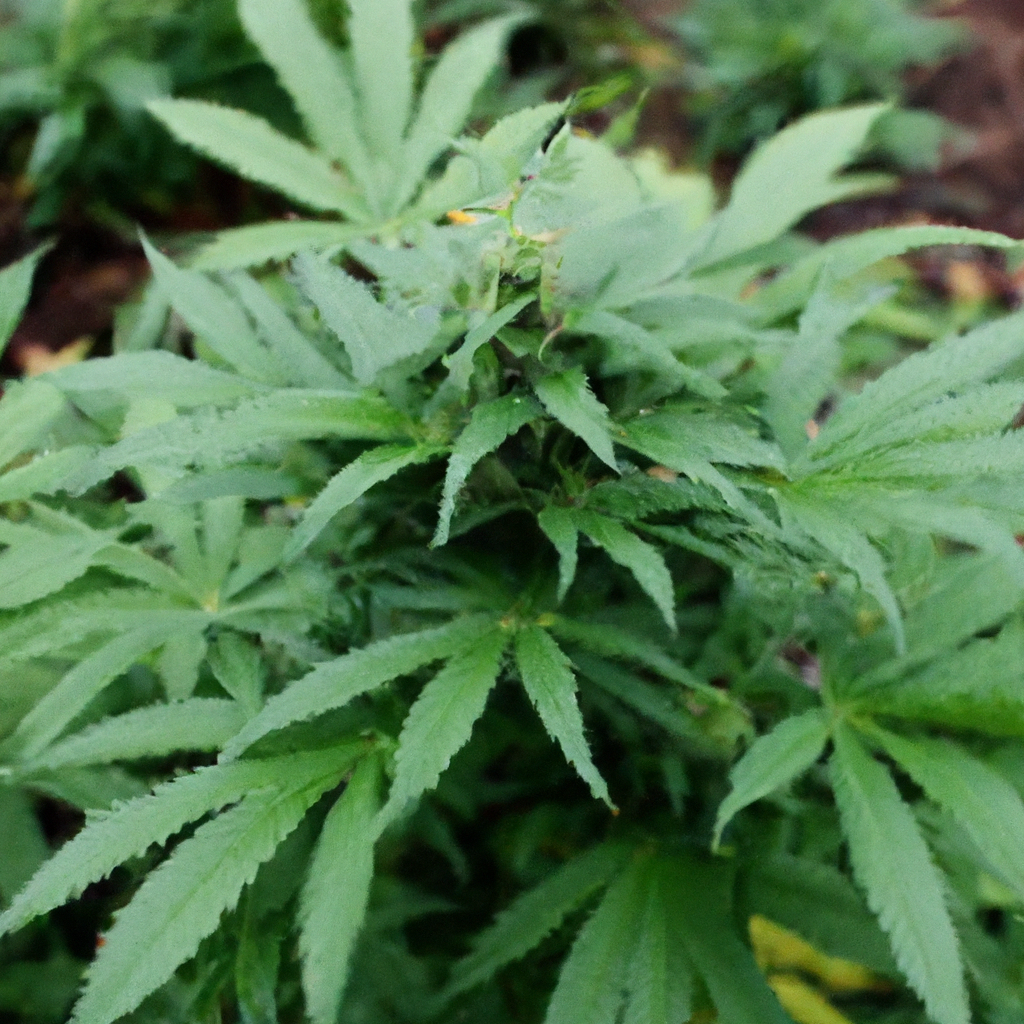
Organic cannabis cultivation is an ever-evolving art, where nature’s rhythms and resources are harnessed to produce healthy, flavorful, and environmentally sustainable plants. In contrast to conventional methods laden with synthetic chemicals, organic practices embrace natural fertilizers, compost, and biological pest control, promoting not only the health of the plants but also the sustainability of the ecosystem.
Building a Thriving Soil Ecosystem
Successful organic cultivation begins with the soil, which forms the foundation of plant health and productivity. By enhancing soil life with organic matter and microorganisms, growers can significantly boost their crop yields and quality.
- Composting: Transform kitchen scraps and garden waste into nutrient-rich compost that improves soil structure and fertility.
- Natural Amendments: Use amendments like bone meal, fish emulsion, and kelp meal to enrich the soil naturally.
- Crop Rotation: Rotate cannabis with other plants to prevent nutrient depletion and disrupt pest cycles.
Natural Fertilizers for Strong Growth
Organic fertilizers are derived from natural sources, providing a balanced nutrient supply that promotes robust growth without harmful residues.
- Manure: Add well-composted animal manure for a slow-release nutrient supply.
- Vermicompost: Employ worm castings to enhance microbial life and nutrient availability.
- Green Manures: Grow cover crops like clover or alfalfa to fix nitrogen and improve soil health.
Eco-Friendly Pest Control
Pest management in organic cannabis cultivation focuses on prevention and the use of natural enemies to reduce pest populations.
- Beneficial Insects: Introduce ladybugs and predatory mites to naturally control aphids and spider mites.
- Neem Oil: Use neem oil as a natural pesticide and fungicide to protect plants.
- Companion Planting: Plant marigolds or basil to deter pests naturally with their aromatic compounds.
The Benefits of Going Organic
Choosing organic methods offers numerous benefits not only for cannabis plants but also for the environment and consumers:
- Environmental Impact: Reduces chemical runoff and improves biodiversity.
- Healthier Plants: Produces stronger, more resilient plants less susceptible to diseases.
- Consumer Safety: Provides cleaner, safer cannabis devoid of synthetic pesticide residues.
Discover more from Magic Clones
Subscribe to get the latest posts sent to your email.
Leave a Reply