
Your cart is currently empty!
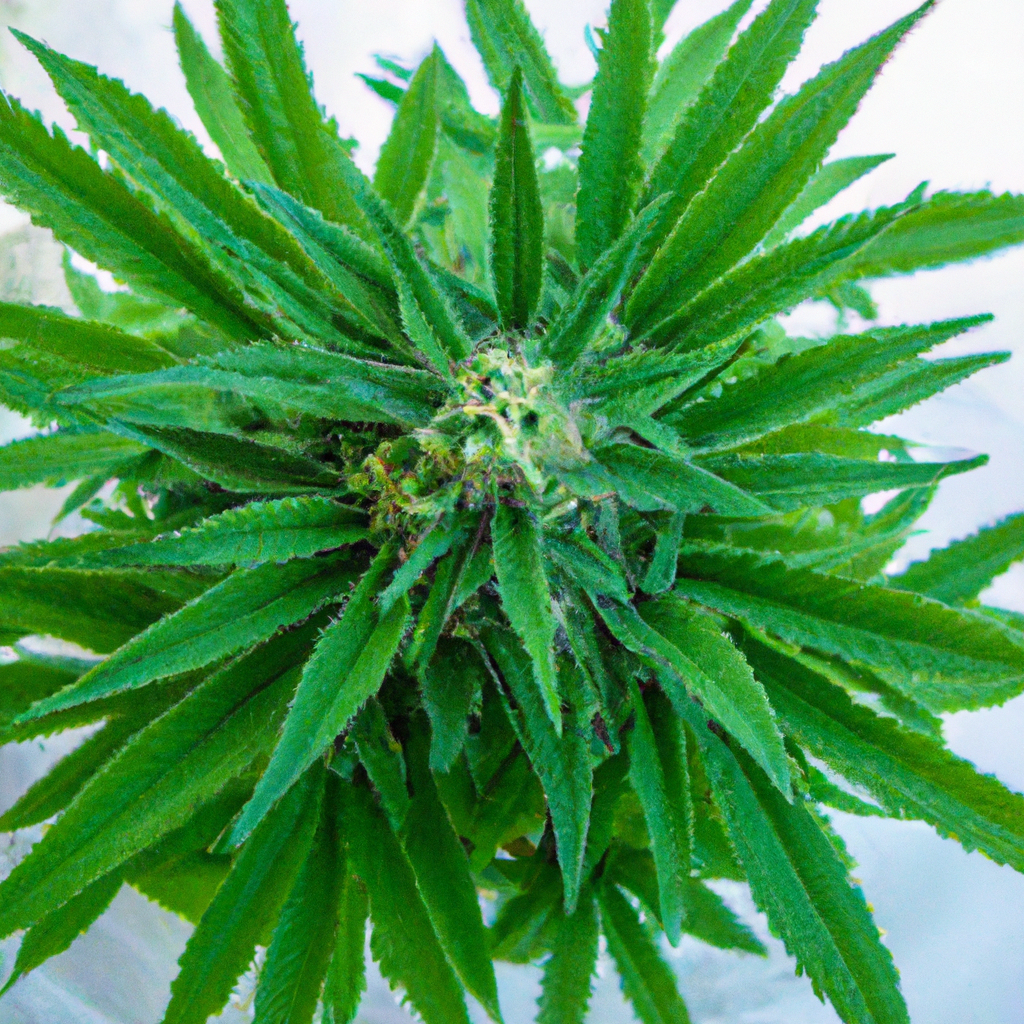
Cannabis cultivation is a delicate balance of nature and nurture. Among the crucial components is proper watering techniques. Whether you’re a seasoned grower or a burgeoning enthusiast, understanding the nuances of cannabis hydration can significantly boost your plant’s health and yield. In this guide, we’ll explore various hydration methods, essential tips, and the role of soil in sustaining optimal moisture levels.
Understanding the Basics of Cannabis Hydration
Watering cannabis plants goes beyond simply pouring water onto the soil. It’s a science that involves understanding your plant’s specific needs based on its current growth stage and environmental conditions. Inadequate hydration can lead to stunted growth or, worse, plant disease.
- Seedling Stage: Minimal water is needed. Overwatering can lead to root rot.
- Vegetative Stage: Moderate watering is required. Establish an even moisture level in the topsoil.
- Flowering Stage: Increased water intake, but avoid wetting the flowers directly to prevent mold.
Hydration Methods for Optimal Growth
Depending on your growing setup—whether it’s soil-based, hydroponic, or aeroponic—there are different hydration techniques to consider. Let’s dive into a few effective methods:
Drip Irrigation
This method involves using a network of pipes and emitters to deliver water directly to the plant’s roots. It’s an efficient system that minimizes water waste and ensures the roots receive consistent moisture.
Wicking Systems
Utilizing a capillary action, wicking systems draw water from a reservoir into the growing medium. This system is especially useful in keeping the soil evenly moist and works well with both small and large scale grows.
Flood and Drain (Ebb and Flow)
A popular hydroponic technique, flood and drain involves periodically flooding the growing trays with nutrient-rich water and then allowing them to drain. This cycle ensures roots have access to both moisture and oxygen.
Tips for Effective Water Management
Ensuring optimal hydration also means managing other factors like pH and water temperature. Here are some actionable tips:
- Monitor pH Levels: Keep water pH between 6.0 and 7.0 for soil and between 5.5 and 6.5 for hydroponics.
- Temperature Control: Cold or hot water can shock the plants. Aim for water temperatures between 65°F (18°C) and 70°F (21°C).
- Observe Your Plants: Signs like wilting or curling leaves can indicate over or under-watering.
Conclusion
Cannabis hydration techniques require attention to detail and a responsive approach tailored to your plant’s specific needs. Adopting appropriate watering methods and staying vigilant about plant signals will result in a healthier and more productive crop. Embrace these insights to enhance your cannabis cultivation journey.
Leave a Reply